
What would butoh be ?
Butoh is a form of dance born in Japan at the end of the 1950s. As per Akaji Maro interview on France Culture, it is a dance which has been built against taboos, and namely the triple taboo in postwar Japan of Hiroshima, the emperor, and homosexuality. The founding impulse comes from the rejection which Tatsumi Hijikata faced when he presented a (provocative) choregraphy inspired by Forbidden Colors from Yukio Mishima. Breaking with the world of contemporary dance he stemmed from, he would bear an obscure movement bearing moving names, from Ankoku butoh, Dark black dance, to Butoh, dancing and treading. A key point was to find beauty in the ugly, and ugliness in the beautiful.
A short historic glimpse
Among the 10 historic butoh dancers distinguished by Bruce Beard in A history of butô, 4 studied contemporary dance with Takaya EGUCHI and Misako MIYA, namely Tatsumi HIJIKATA, Kazuo OHNO, Sanae/Carlotta IKEDA, and Akira KASAI.
4 attended Studio Asbestos or worked with Hijikata, namely Min TANAKA, Yoko ASHIKAWA, Saga KOBAYASHI and Akaji MARO (the latter came from the underground world of theater from Juro KARA).
2 worked with Maro : Yumiko YOSHIDA has been a member of Dairakudakan, as was Ushio AMAGATSU (who was also influenced by Noguchi Taiso) before he founded Sankai Juku.
Who stands out today ?
From the historical dance companies, only Dairakudakan (still headed by Maro) and Sankai Juku (still active after Amagatsu disappeared in 2024) subsisted. Min TANAKA is still dancing, though he stated he took some distance with butoh.
Kim Itoh, Emiko Agatsuma are performing in Japan, and Kohei Wakaba (Wakaba Coffee) as well as Kana Kitty (Wozme) are quite active. Among Dairakudakan members, let us distinguish Jongye Yang and Conan Amok.
From Sankai Juku members, Norito Ishii is leading Butoh Ishii Gumi.

How to see butoh in Japan in 2025, and later
In the nineties, some scenes such as Die Pratze in Kagurazaka programmed butoh regularly. At the end of the first quarter of the twenty first century, most regular performances of butoh would be found at Kochuten, and with Kohei Wakaba. You can also follow butoh info and Kana Kitty. And of course, you should stay tuned with TokyoJardin.
There are also opportunities to practice butoh.
Butoh mix
Butoh still stands out, and blends at the same time with other forms of performing arts, be it contemporary dance, theater, or circus arts – not to mention the proximity to cabaret, which reminds us of its starting years.
Let us mention Akaji Maro association with K-Ballet Opto, Kim Itoh collaboration with theater, or Kohei Wakaba invitation to juggling artist Yosuke Meguro and contemporary dancers, or Min Tanaka dancing with the traditional buyo dancer Hirokazu Taniguchi.
Latest and next butoh performances recommended in Tokyo
– The book of dead (July 2-5),Naomi Muku, Dairakudakan, Za Koenji
– Eric-Maria Couturier x Akaji Maro (April 7-8), cello x butoh
– Red shoes (April 11-12), Wakaba Coffee
– Erosion at Kochuten (March 3-8), Dairakudakan
– Dokudokuza – This is also a classical (Feb 28-Mar 1st), Min Tanaka
– Kotohogi Banrai, Butoh Ishii Gumi (Jan 31)
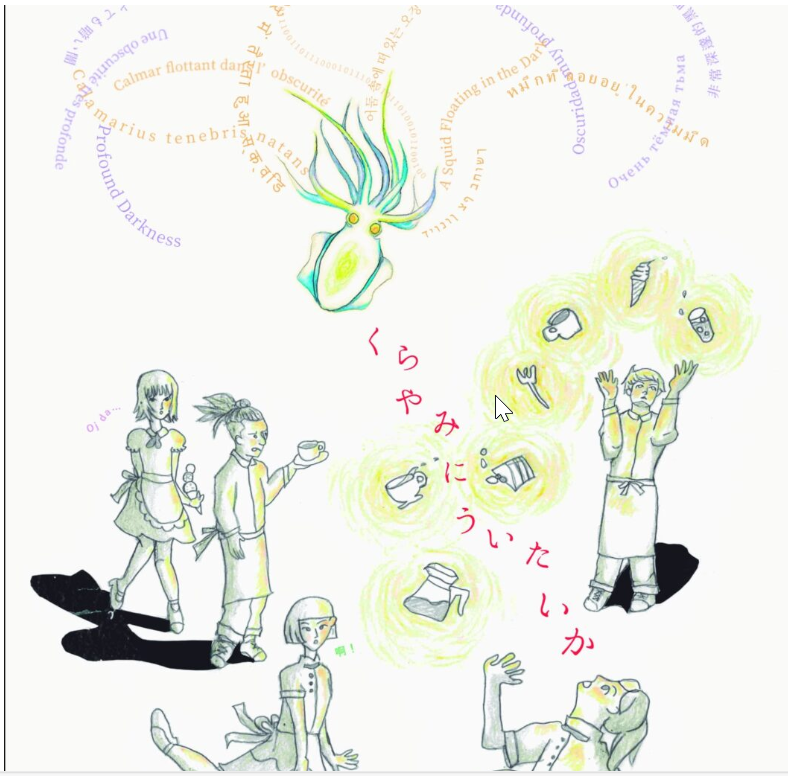
– Floating squid (Dec. 25)
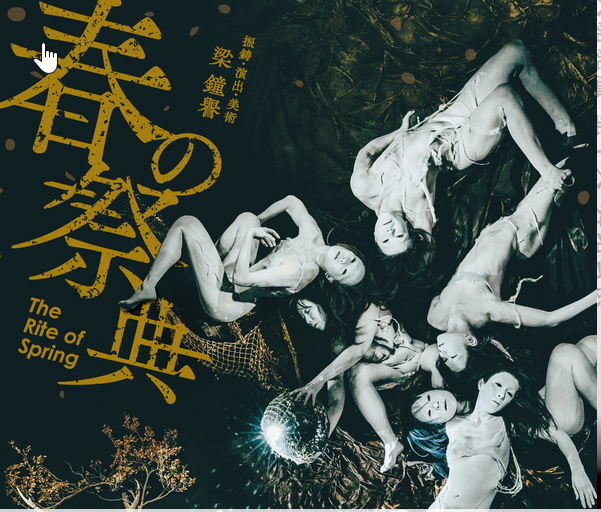
– Rite of spring at Kochuten (Dec. 25)
and more on our quarterly recommendations and the blog.
#butoh